Barcelona, Spain
.jpg)
Hybrid EcoSystems was a multidisciplinary exhibition exploring the relationship between natural and technological systems through sound, light, motion, material experimentation, and audience participation.
Developed within the Master in Design for Emergent Futures at IAAC Barcelona and presented at AKASHA Hub, the exhibition began with a simple question: what changes when technology is understood not as something separate from nature, but as another interconnected system?
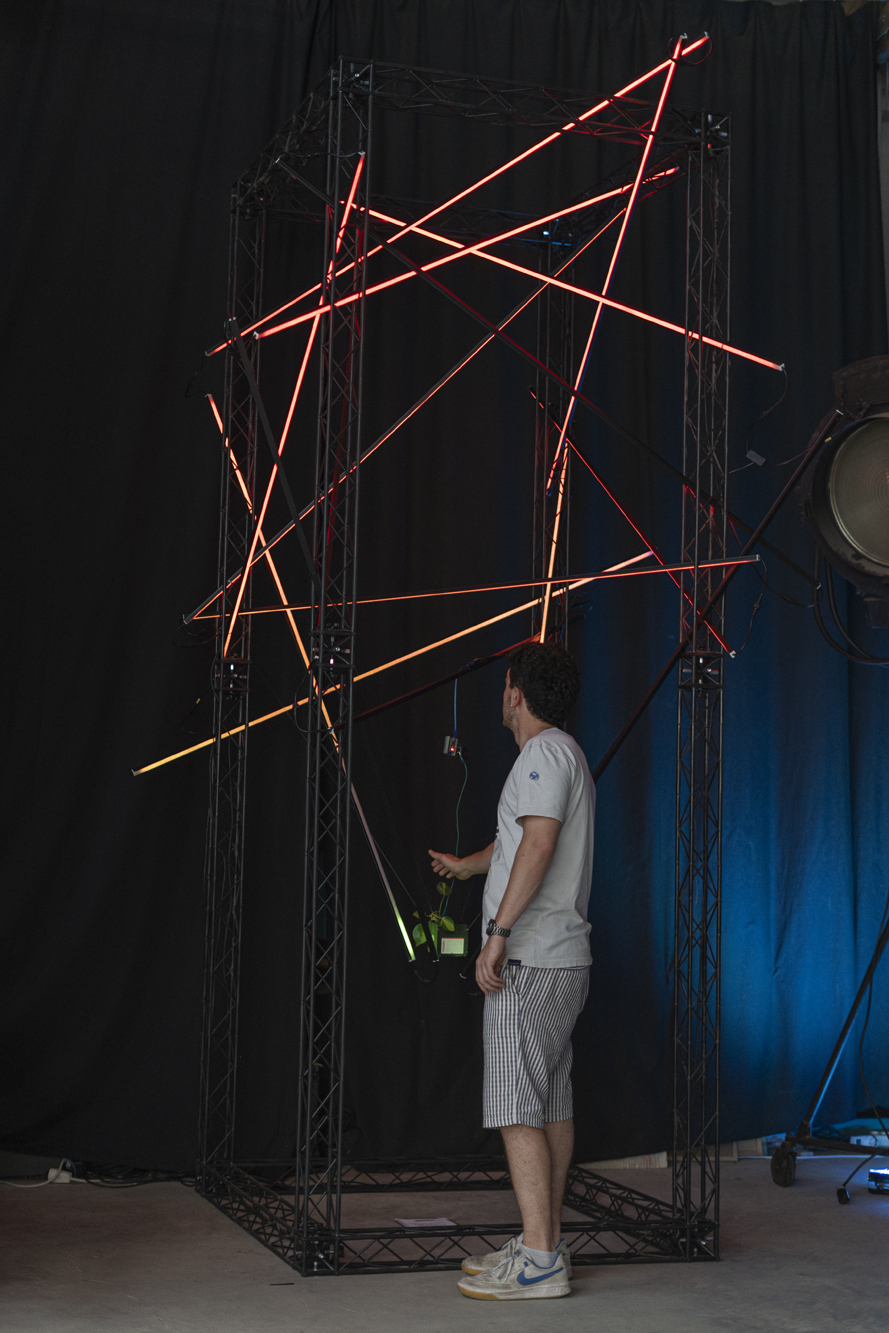
Across five interactive and audiovisual installations, the project revealed parallels between ecological processes and computational behaviour—from recursive natural patterns to self-generating algorithms. Rather than explaining these ideas theoretically, the exhibition translated them into physical and sensory experiences.
Digital systems are often experienced through flat screens, hidden interfaces, and invisible infrastructures. Hybrid EcoSystems aimed to make those systems tangible.
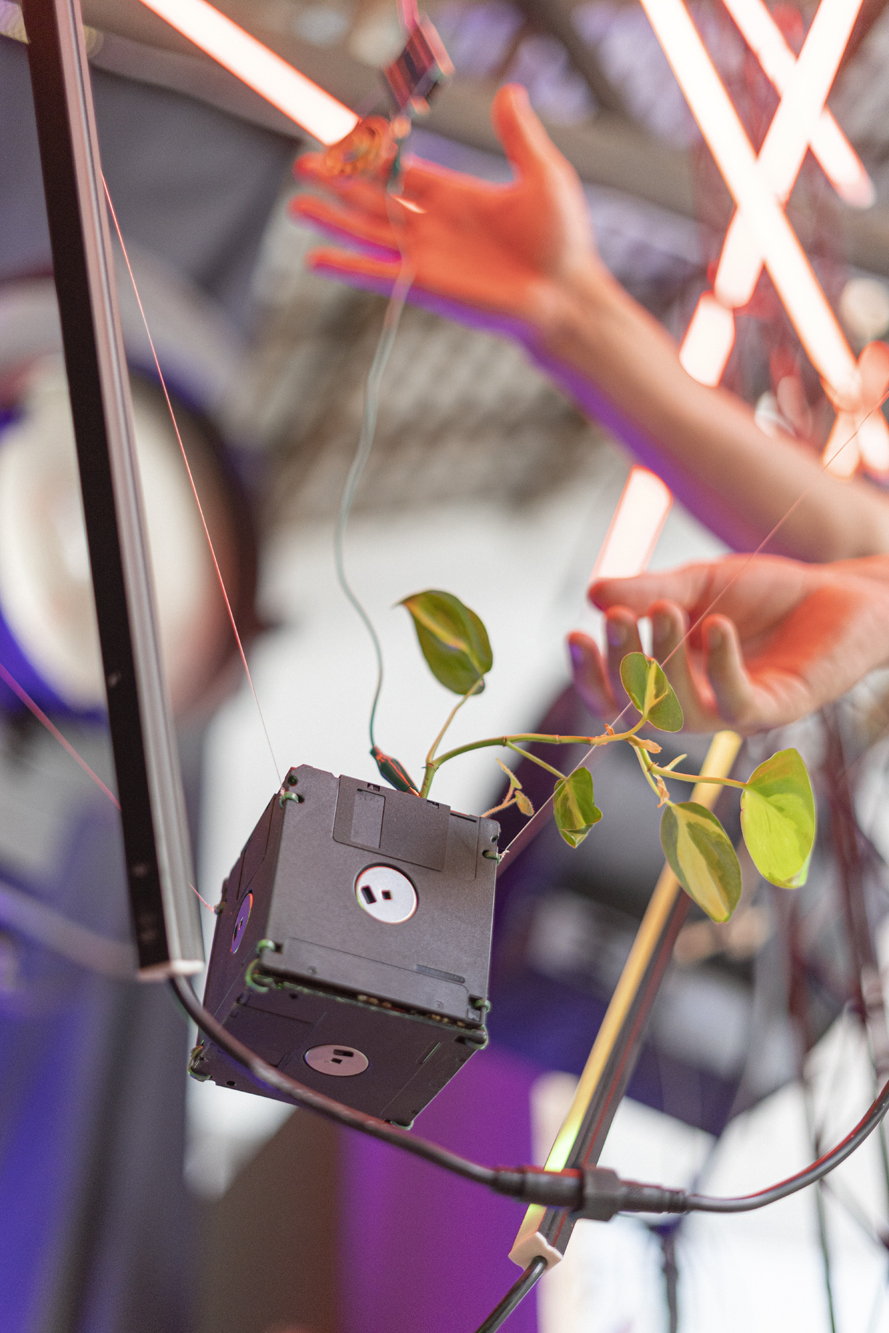
Biomaterials, clay, plants, environmental sound, light, and generative media were used to create interfaces that visitors could touch, hear, and influence. This allowed abstract processes such as data, recursion, feedback, and computation to be encountered through the body.
The exhibition did not present nature and technology as opposites. Instead, it explored their shared qualities: both are adaptive, interconnected, responsive, and constantly changing.
This conceptual thread shaped every part of the project, from the installations themselves to the spatial layout and visitor journey.
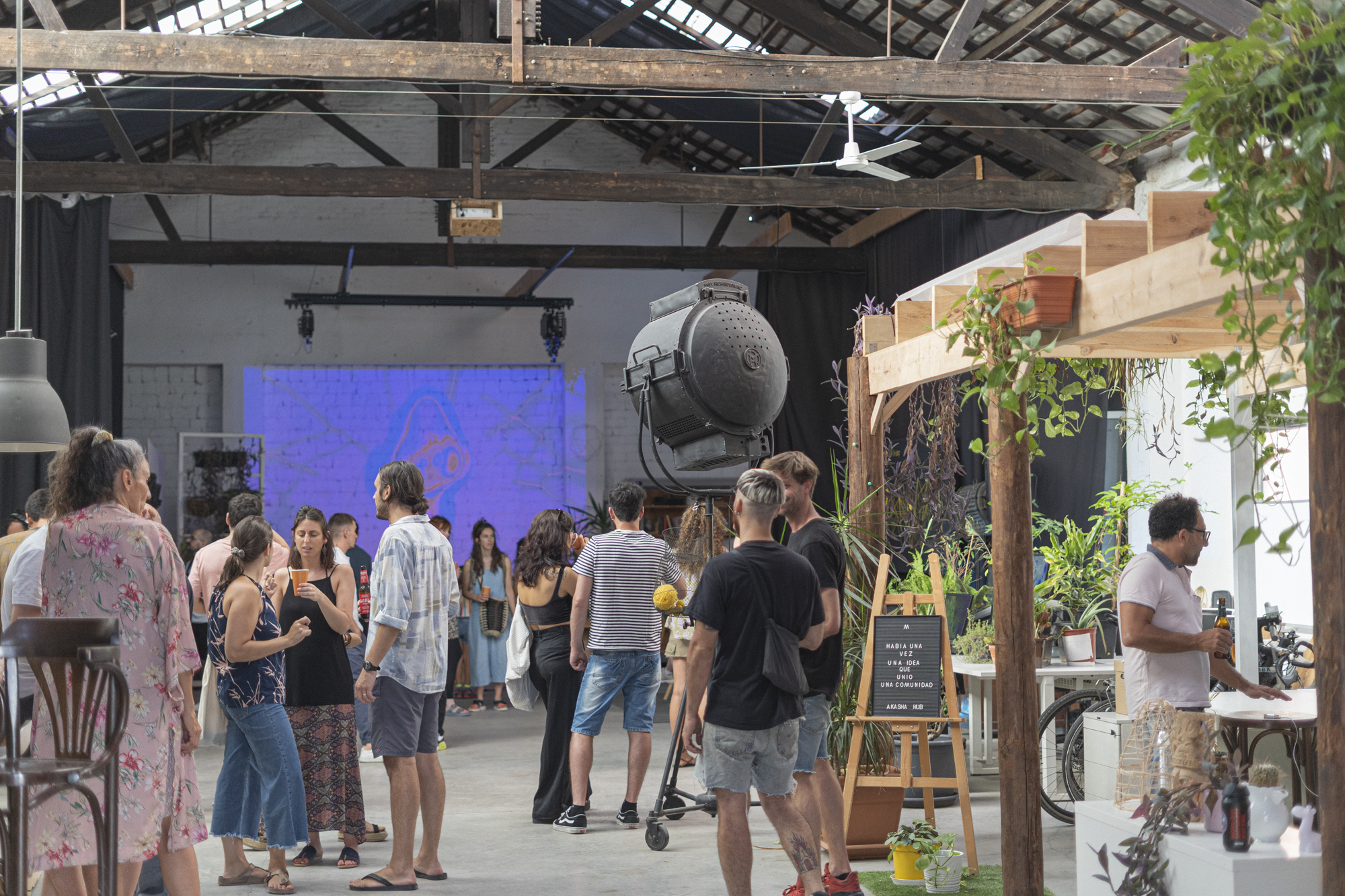
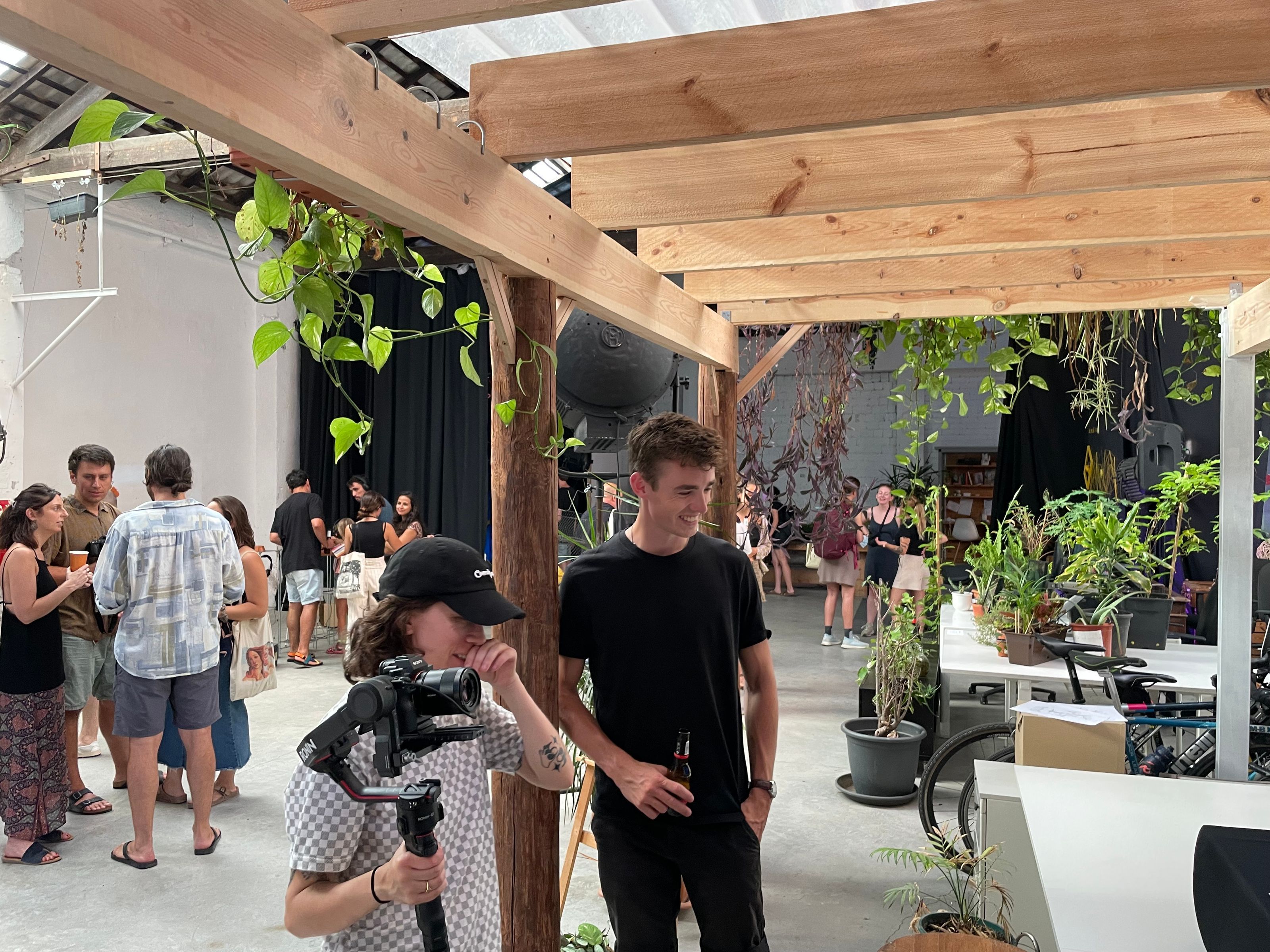
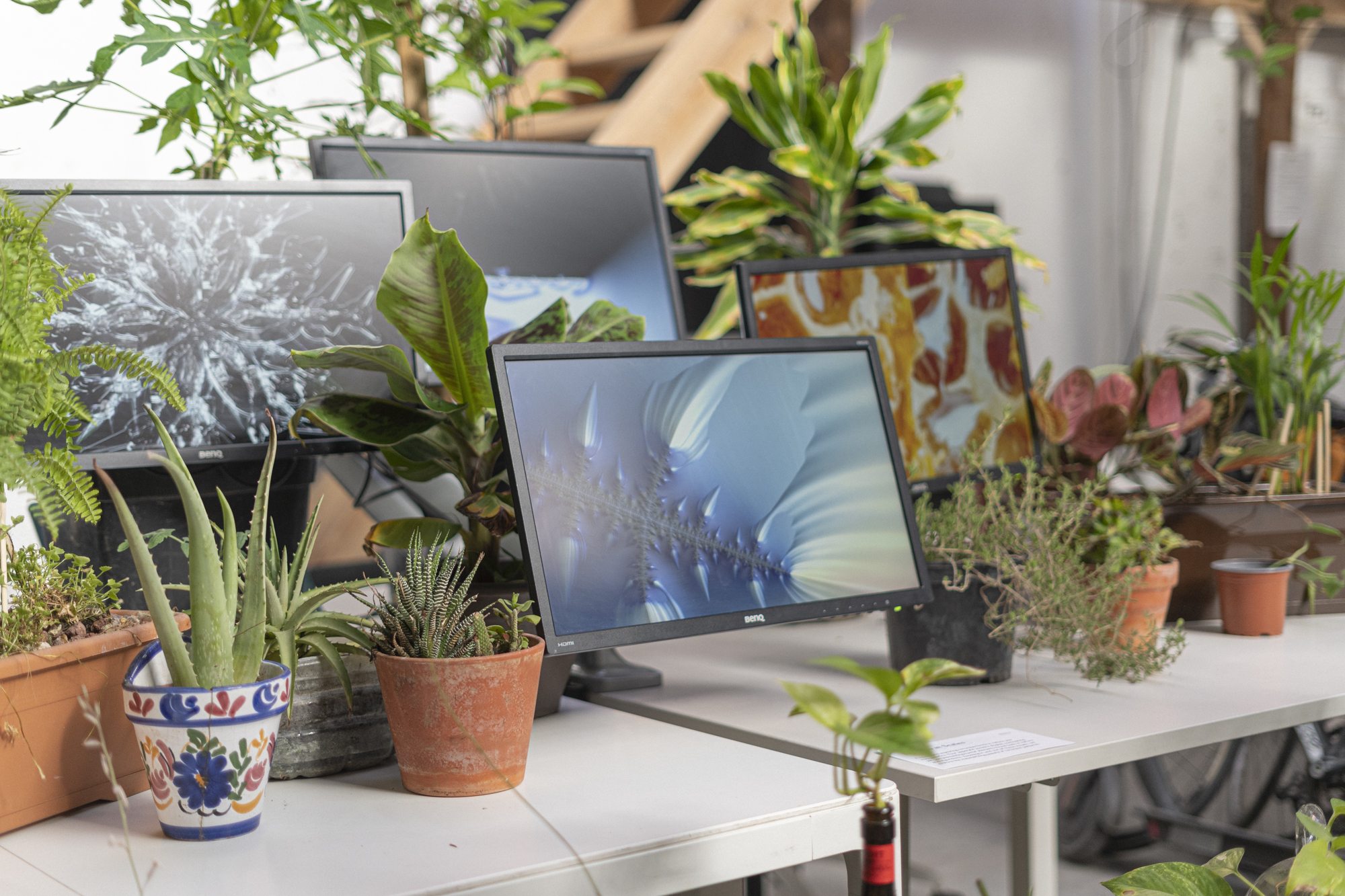

As Lead Designer and Co-Curator, I helped shape the exhibition from initial concept through spatial planning, visual identity, production, installation, and public presentation.
My responsibilities included:
The exhibition brought together five works produced within six weeks:
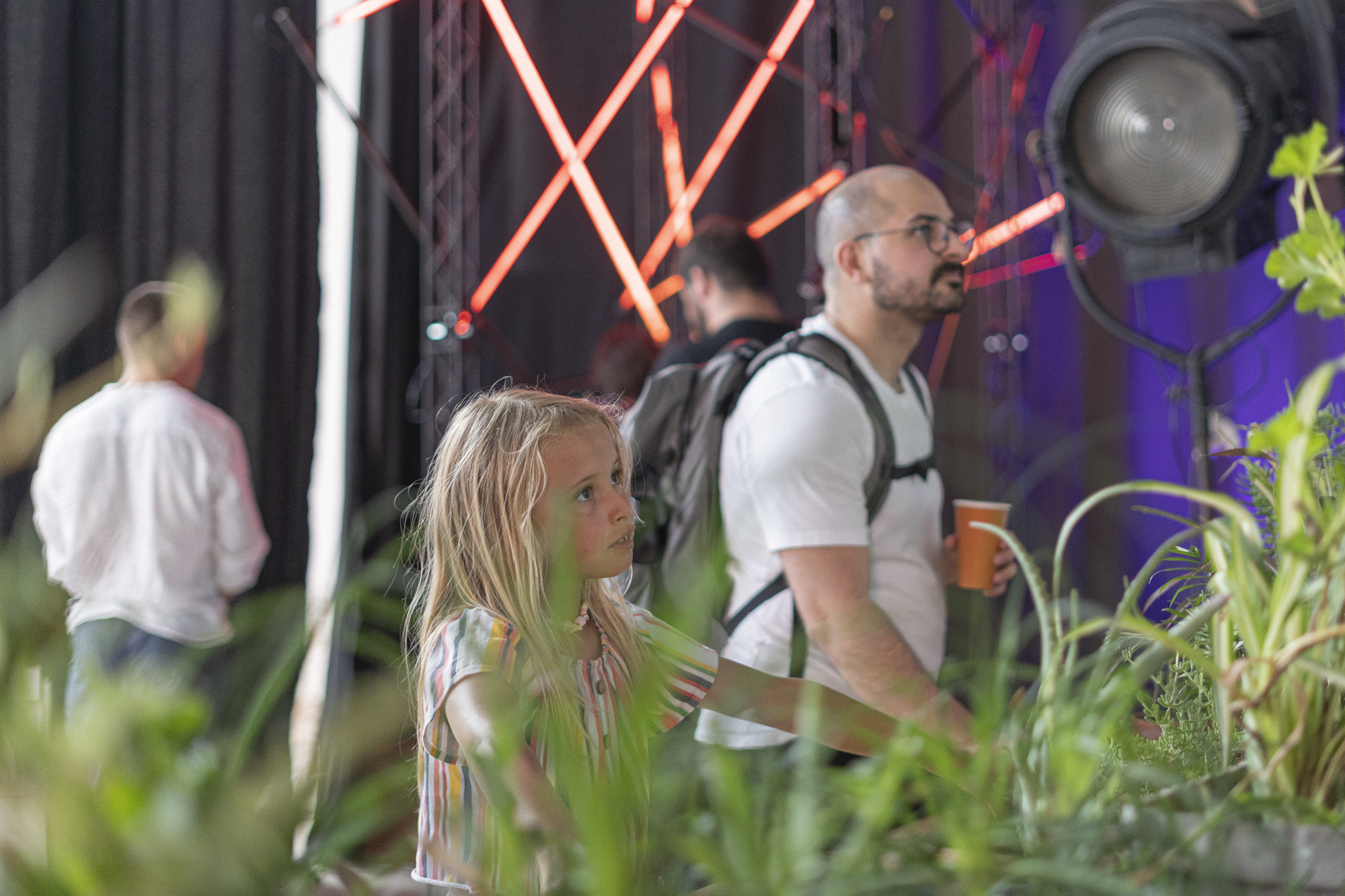
The works were distributed throughout the space to encourage movement, experimentation, and collaboration. Visitors were not positioned as passive spectators. Their gestures, touch, and proximity actively changed the installations, blurring the boundary between audience and creator.
As a final extension of the experience, visitors could take home a plant paired with a unique generative digital artwork, connecting the physical exhibition with a lasting digital trace.
Hybrid EcoSystems transformed emerging technologies into an accessible and participatory public experience.
By making computation physical, collaborative, and sensory, the exhibition encouraged visitors to reconsider technology as something embedded within wider social and ecological systems.
The project strengthened my experience in exhibition design, spatial storytelling, interactive installation, multidisciplinary coordination, and the translation of complex ideas into clear visual experiences.
Project links
Visit AKASHA Hub
View the MDEFest programme